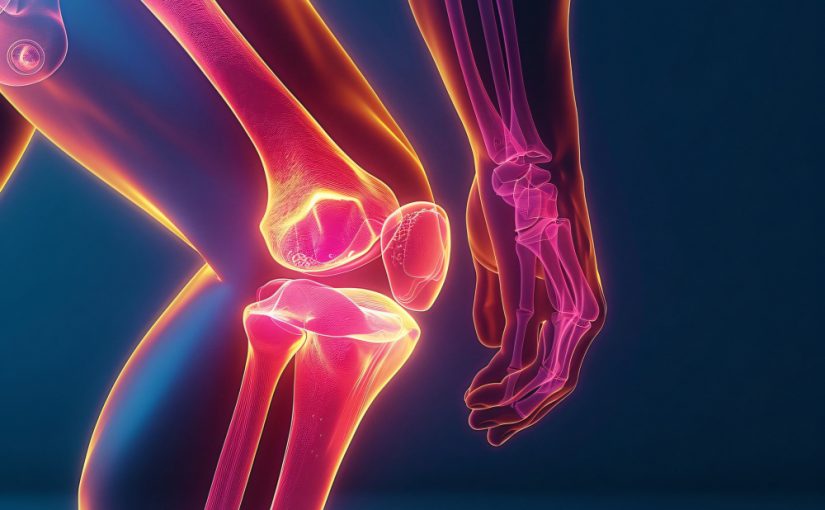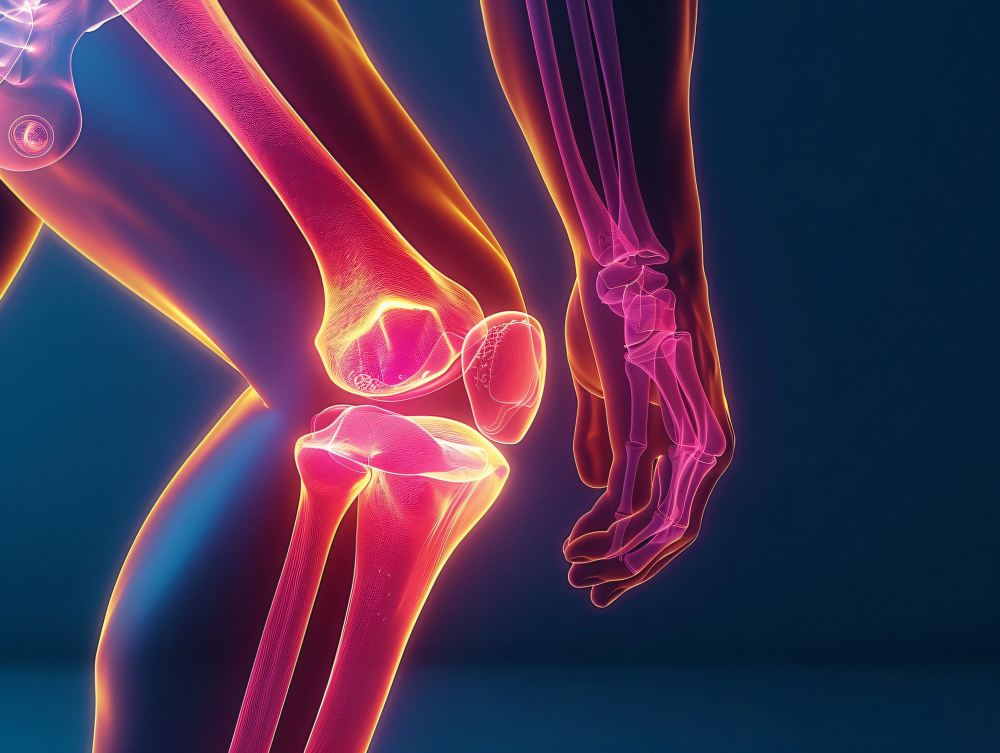





The experience of chronic knee pain may slowly change the way one lives. The way one may start deciding which restaurant to visit based on the proximity of parking space, skip the stairs, avoid family weekends in parks, or any other activity due to chronic knee pain. Joint deterioration occurs slowly; hence, it may be difficult for one to acknowledge the pain because it means “just getting old.”
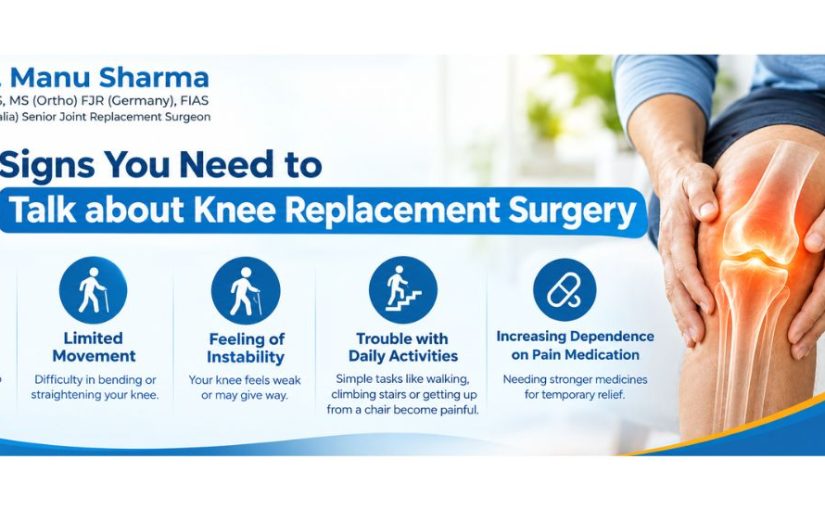
Failure to address joint problems will cause hip, lower back, and the opposite leg complications due to the body compensating. Knowing when the point of no return is reached is necessary in order to gain your mobility back. You must visit the best knee replacement surgeon in Gujarat. In case one has any of the following five symptoms, then it is time to see an orthopedic doctor to discuss knee replacement surgery.
-
Severe Pain Affecting Your Ability to Sleep
It is quite common to experience occasional pain following an intense day of physical activity, but severe joint pain that keeps you from sleep is a red flag. Advanced forms of arthritis tend to erode the layer of protective cartilage covering your knees, resulting in bones rubbing against each other and causing an inflammatory reaction inside the joint capsule.
If you are frequently finding it difficult to sleep, changing positions throughout the night in order to find comfort, or having to take strong medications in order to get a few hours of sleep, then it means that the problem with your knee has crossed the manageable level. Lack of sleep will weaken your immune system and lower your pain tolerance.
-
The Ability to Perform Everyday Activities is Greatly Limited
Think about your activities during a typical day for a moment. Do you base your activities on whether they include more walking or standing? Signs of advanced deterioration in your knee joint will typically be such as:
- Inability to enter and exit a vehicle or a chair
- Fear and hesitation when going up a set of stairs
- Inability to take even short walks without having to sit down
If even ordinary, everyday tasks are causing mental strain and physical strain just to get through them, your quality of life is significantly affected. Knee replacement surgery helps make everyday life easier by providing the ability to move around freely.
-
Conservative Methods No Longer Work
Most orthopedic physicians will first exhaust all other non-surgical methods before resorting to surgery. The usual regimen to be followed at the beginning stages usually includes:
- Physical Therapy: To build muscle strength around the joints, specifically the quadriceps and hamstrings.
- Medication: Using over-the-counter or prescription anti-inflammatory drugs.
- Joint Injections: Injecting cortisone to decrease inflammation or hyaluronic acid to act as a temporary joint lubricant.
But after spending some time trying all these treatments and noticing that they only work for a few days, or even not at all, then this is the point where you can consider that your body has undergone mechanical wear beyond what conservative medicine can fix.
-
Joint Malformation and Excessive Joint Stiffness
With progression of osteoarthritis, the wearing of cartilage becomes uneven. If the inner part of the joint is wearing off faster than the outer one, it will affect your leg positioning, causing bowing of the legs or making them appear knock-kneed.
Another consequence of constant joint inflammation is development of bony growths and joint scar tissue, which creates excessive stiffness of the joint. If you cannot straighten your leg completely or bend it to put on the shoes properly, the joint loses its range of movement. Surgical treatment may restore the correct joint alignment and remove mechanical obstacles.
-
Compensating for Pain Elsewhere in Your Body
Your body is a complex kinetic chain. Whenever one knee feels pain, you tend to favor it by moving your body weight away from the painful knee or even walking differently to avoid further damage to the painful joint. Though this helps the injured knee temporarily, it creates an extra burden for the other body parts in the kinetic chain.
In the long run, the process will give rise to other problems such as lower back pains, hip bursitis, or excessive wear and tear of the other healthy knee. When the healthy knee starts feeling pain just like the bad knee, then it means your body’s response is no longer effective.
Modern Knee Surgery Evolution
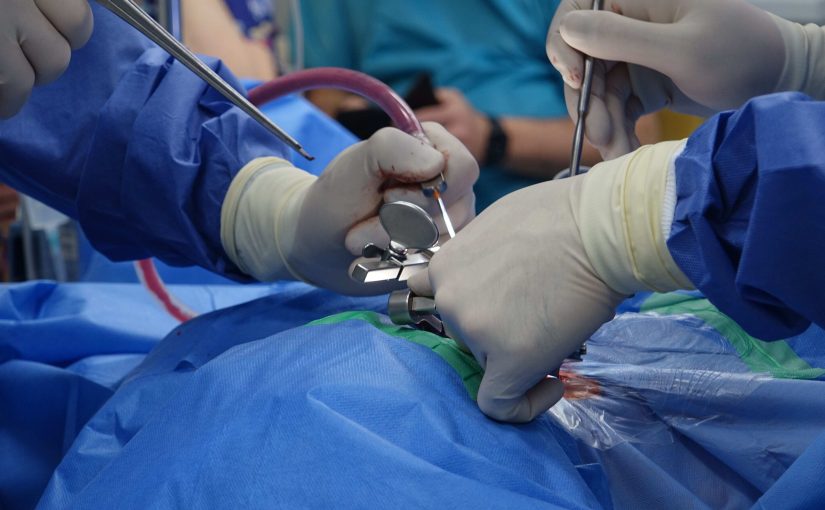
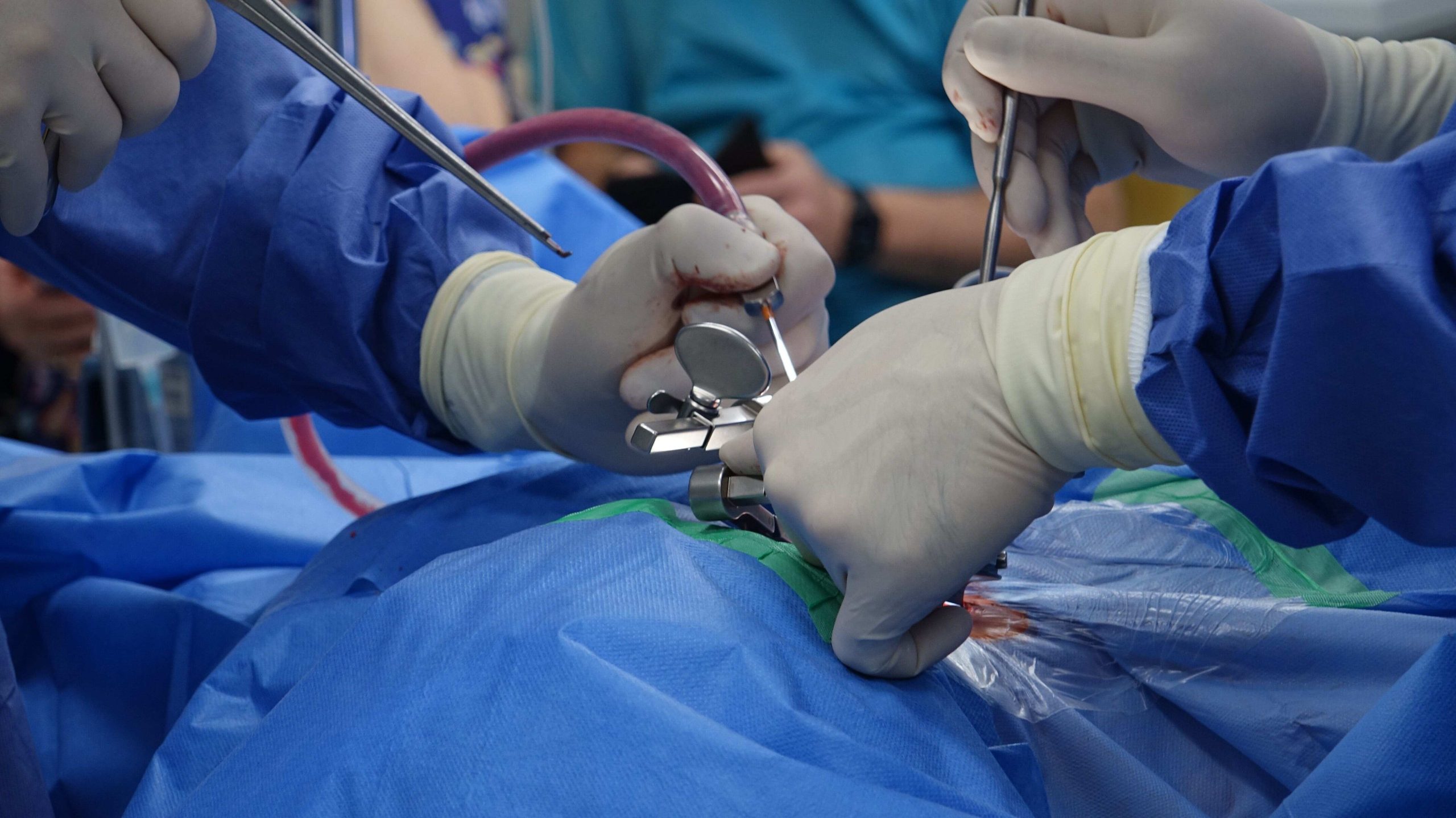
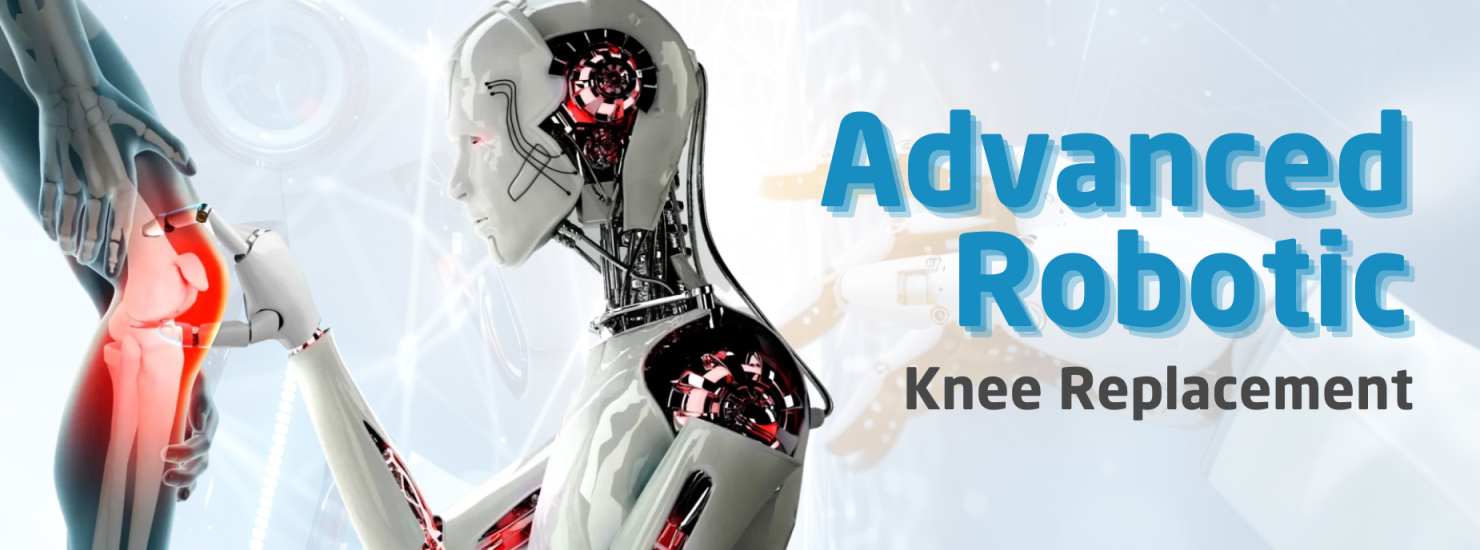
In case the term “surgery” makes you feel nervous, it is good to note that there has been a lot of evolution in terms of joint replacement technology. In light of the extensive use of the robotic surgery system as well as muscle-sparing procedures, the process is more accurate compared to what was experienced ten years ago.
The robotic surgery system helps the surgeon create an accurate three-dimensional digital image of your body even before creating any cut. It will help in ensuring that the artificial knee implant fits into your natural anatomy and, therefore, giving you a more natural-feeling joint and faster recovery.
Going to the Next Level
These symptoms do not automatically lead to surgery being done on you. All it does is mean that it is now time for you to start a conversation about it with a specialist. The best knee replacement surgeon in Gujarat will take full digital X-rays, assess your life goals, and find out if either a partial knee replacement, a total robotic surgery, or prehab is what you need.
FAQs
Q1: How do I know it is the right time for a knee replacement?
A1: If your prolonged joint pain restricts your daily activities, interferes with sleep and conventional treatment modalities such as physical therapy or injections do not help, then you are a good candidate for the procedure.
Q2: How do I find the “best” surgeon or hospital?
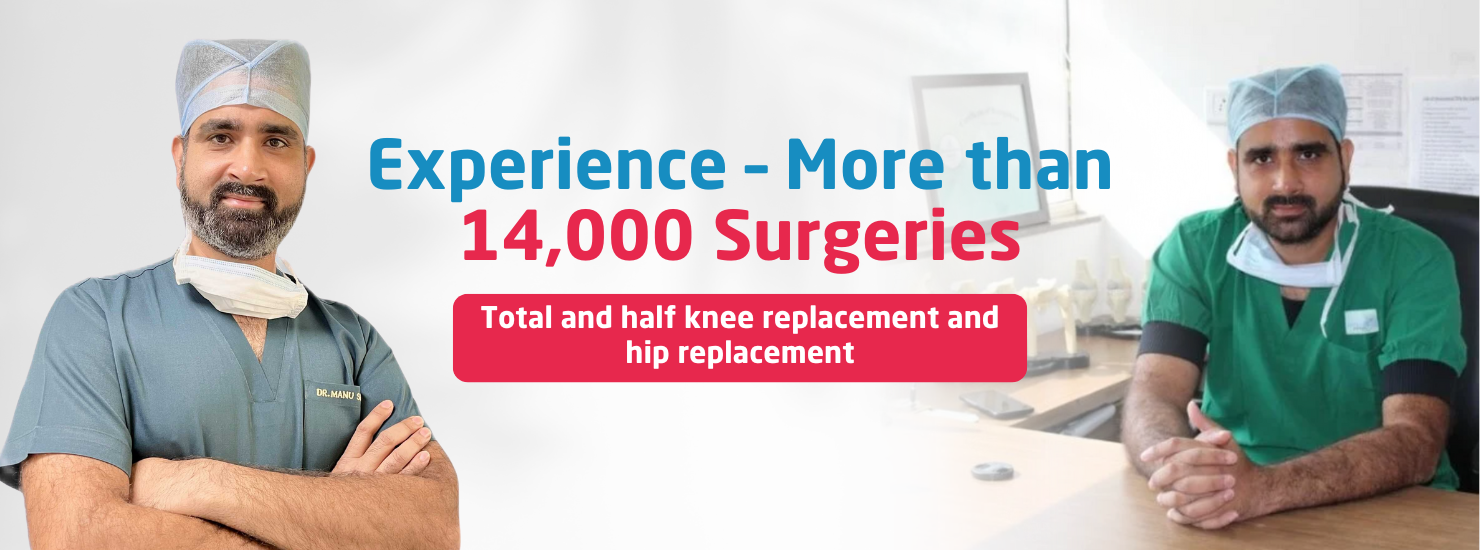
A2: According to medical research, the most efficient results and lowest risk of complications are achieved when choosing a high-volume surgeon working in a specialized healthcare facility and performing hundreds of joint replacements per year. You can visit Dr Manu Sharma.
Q3: How long does the operation last?
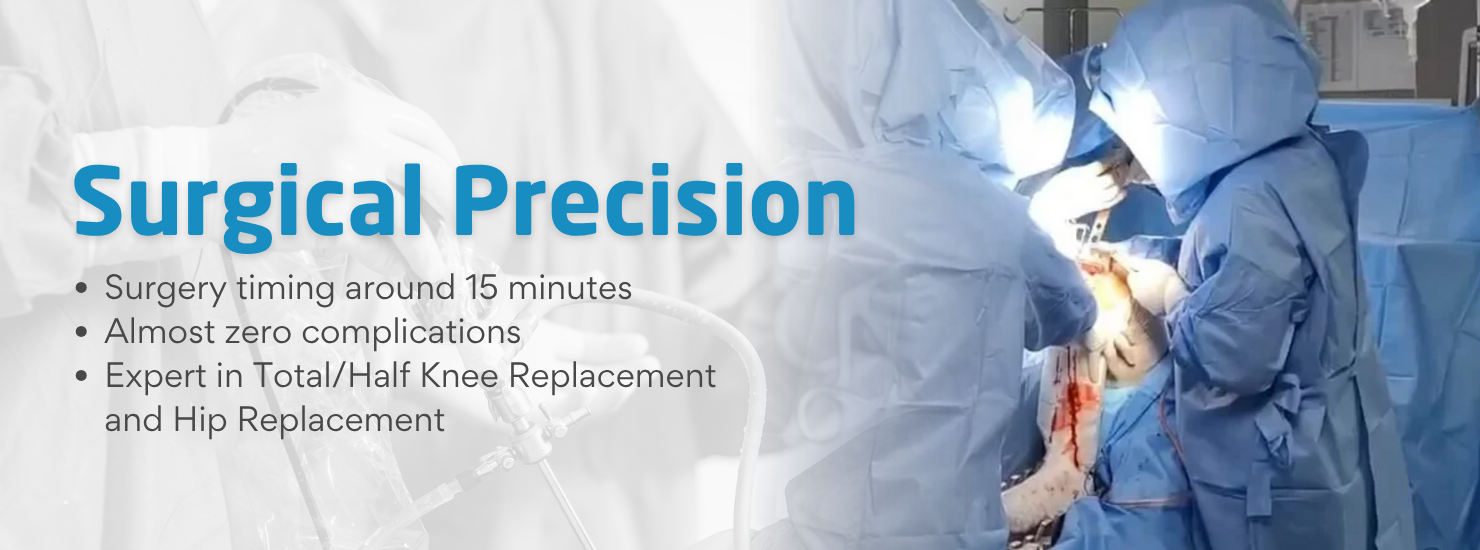
A3: The typical knee replacement operation usually takes around 1.5 to 2 hours depending on the complexity of the procedure and type of anesthetic chosen (general or regional). Modern quick approaches such as “Zero Technique” developed by Shalby can considerably shorten the time.
Q4: How long does the prosthesis last?
A4: Prosthetic joints are very durable, lasting over 20 years for around 95% of patients