


• +918799618017
  • dr_manu_shankar@yahoo.com
  • banner

Can Technology Help You Recover Faster After Knee Surgery?

Technology

For patients considering Robotic Knee Replacement in Gujarat, advanced technology is changing how knee replacement surgery is planned and performed. Robotic-assisted procedures can help surgeons achieve greater precision in implant positioning and personalized surgical planning, which may contribute to smoother rehabilitation and improved functional outcomes. However, recovery still depends on several factors, including the patient’s health, surgical technique, physiotherapy, and commitment to post-operative care.

How Technology Is Changing Knee Replacement

Traditional knee replacement surgery relies heavily on the surgeon’s experience and manual techniques. Robotic-assisted surgery adds advanced computer technology to this process.

Before surgery, imaging can be used to create a detailed 3D representation of the patient’s knee. This allows the surgeon to assess the joint and develop a treatment plan based on the patient’s individual anatomy.

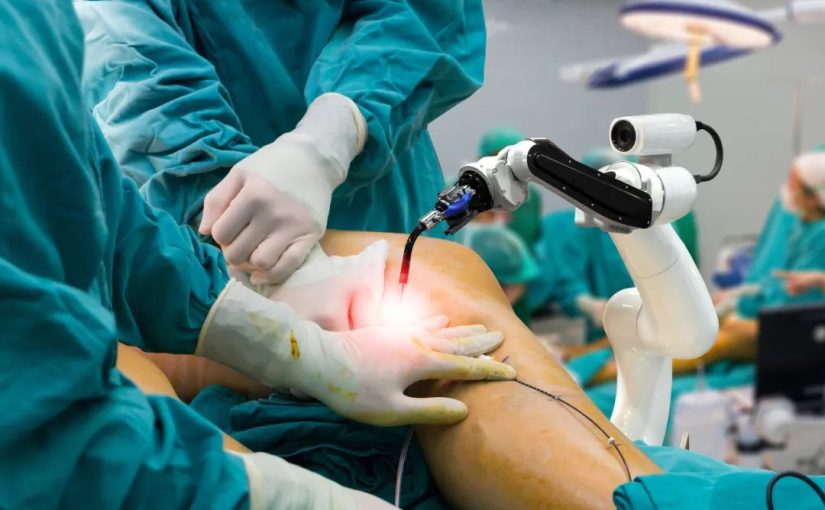
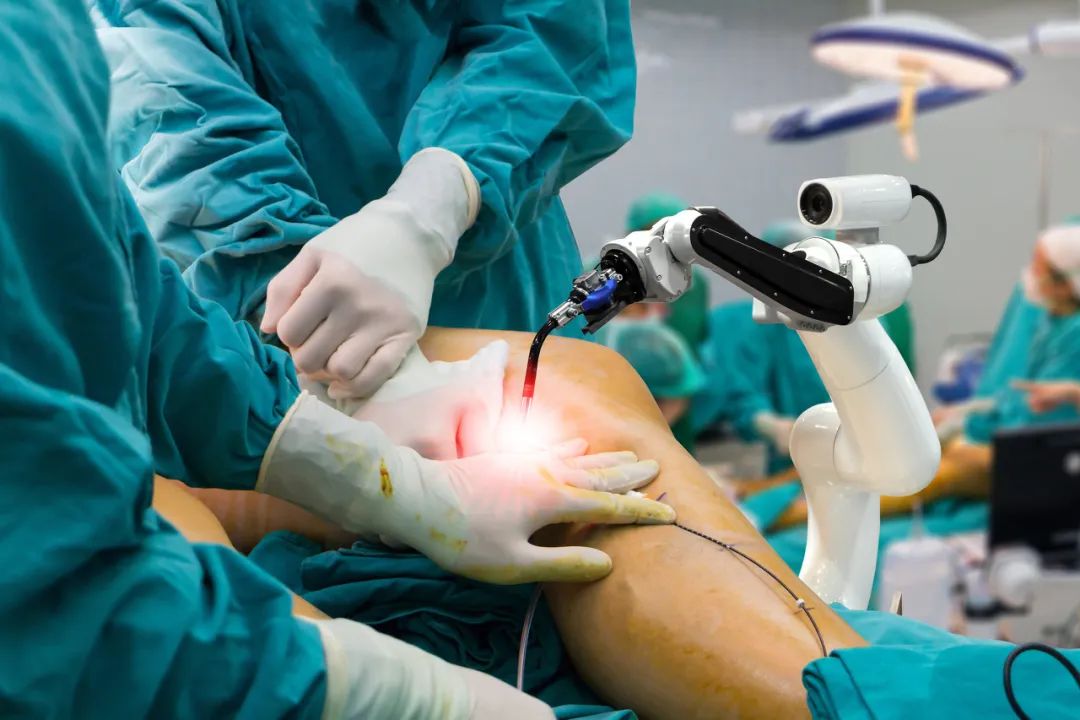
During surgery, the robotic system provides real-time guidance and helps the surgeon make highly precise bone cuts and position the implant accurately. The surgeon remains in complete control throughout the procedure.

Can Robotic Assistance Support Faster Recovery?

One of the major reasons patients are interested in robotic-assisted knee replacement is the possibility of a smoother recovery.

Greater Surgical Precision

Accurate implant positioning can help restore proper knee alignment and balance. Better alignment may support comfortable movement and reduce unnecessary stress on the surrounding structures.

Personalized Surgical Planning

Every knee has a different shape, alignment, and degree of damage. Robotic technology allows surgeons to create a plan tailored to the patient’s anatomy rather than relying entirely on standardized measurements.

Potentially Less Tissue Trauma

The precision offered by robotic assistance may help surgeons avoid unnecessary damage to surrounding tissues. This can potentially contribute to reduced post-operative discomfort and easier rehabilitation.

Earlier Focus on Mobility

After knee replacement, getting the patient moving safely is an important part of recovery. Depending on the patient’s condition and the surgeon’s protocol, early mobility and physiotherapy can help restore strength and range of motion.

Technology Is Only One Part of Recovery

Robotic assistance does not guarantee a faster recovery for every patient. Recovery depends on multiple factors, including:

  • Age and overall health
  • Severity of arthritis
  • Muscle strength before surgery
  • Weight and fitness level
  • Surgical technique
  • Pain management
  • Physiotherapy
  • Following post-operative instructions

Patients should therefore view robotic technology as an important surgical aid rather than a replacement for proper rehabilitation.

What Does Recovery Usually Involve?

Recovery begins soon after surgery. Patients are generally encouraged to start moving the knee and walking with assistance according to their surgeon’s recommendations.

Physiotherapy plays an important role in rebuilding muscle strength, improving flexibility, and restoring normal movement. As recovery progresses, patients can gradually return to everyday activities.

The exact recovery timeline varies from person to person. Some patients may regain independence relatively quickly, while others require more time and rehabilitation.

How Patients Can Support Their Recovery

Even advanced surgical technology cannot replace good post-operative habits. Patients can support their recovery by following their rehabilitation plan carefully.

Attend physiotherapy sessions, perform recommended exercises, maintain a nutritious diet, take prescribed medications as directed, and avoid activities that place excessive stress on the recovering knee.

Keeping follow-up appointments is equally important because the surgeon can monitor healing and address any concerns during recovery.

Is Robotic Knee Replacement Right for Everyone?

Not necessarily. The suitability of robotic-assisted surgery depends on the patient’s knee condition, medical history, anatomy, and treatment goals.

An orthopedic evaluation is essential before deciding on the procedure. Your surgeon can assess the extent of joint damage and explain whether robotic-assisted, partial, or total knee replacement is appropriate.

The Importance of Choosing an Experienced Surgeon

Technology can improve surgical precision, but the surgeon’s experience remains essential. A skilled orthopedic surgeon must interpret imaging, create the surgical plan, use the robotic system correctly, and make clinical decisions throughout the procedure.

Patients should therefore consider both the technology available and the surgeon’s experience when evaluating their treatment options.

Final Thoughts

Robotic technology is making knee replacement more precise and personalized. By supporting accurate surgical planning and implant positioning, robotic assistance may help some patients achieve a smoother rehabilitation experience. Nevertheless, successful recovery depends on much more than the technology used during surgery.

A proper diagnosis, experienced surgical care, appropriate physiotherapy, and commitment to recovery all play important roles. Patients considering knee replacement should discuss their individual condition and expectations with an experienced orthopedic specialist before making a treatment decision.

Dr. Manu Sharma combines orthopedic expertise with advanced treatment approaches to help patients understand their knee replacement options and choose a treatment plan suited to their individual needs.

Frequently Asked Questions

1. Does robotic knee replacement guarantee faster recovery?

No. Robotic assistance may support precision and potentially smoother rehabilitation, but recovery varies according to individual health, surgery, physiotherapy, and other factors.

2. Does a robot perform the entire knee replacement surgery?

No. The orthopedic surgeon performs and controls the procedure. The robotic system serves as an advanced surgical assistance and guidance tool.

3. How soon can I walk after robotic knee replacement?

Many patients begin walking with assistance soon after surgery, depending on their health and their surgeon’s recommendations.

4. Is physiotherapy necessary after?

Yes. Physiotherapy is an important part of rehabilitation and helps improve knee strength, flexibility, and mobility.

5. Can robotic knee replacement reduce pain?

Robotic-assisted surgery may help minimize unnecessary tissue trauma and improve surgical precision, but post-operative pain varies between patients.

6. Who can undergo robotic knee replacement?

Patients with suitable knee conditions may be candidates. An orthopedic assessment is necessary to determine whether robotic-assisted surgery is appropriate for an individual patient.
How Robotic Assistance Is Changing the Way Knee Replacement Is Performed

knee replacement

Knee pain can gradually take away your freedom to walk, climb stairs, or enjoy everyday activities. For many patients with advanced arthritis, Robotic Knee Replacement in Gujarat has emerged as an advanced solution that offers greater precision and personalized treatment. Unlike conventional knee replacement surgery, robotic-assisted technology helps surgeons plan and perform the procedure with exceptional accuracy, leading to better alignment, improved joint function, and a smoother recovery for many patients.

At Dr. Manu Sharma’s clinic, advanced robotic technology is combined with years of orthopedic expertise to provide patients with safe, effective, and customized knee replacement solutions.

Understanding Robotic-Assisted Knee Replacement

Robotic-assisted knee replacement is an advanced surgical procedure that uses computer-guided technology to assist the surgeon throughout the operation. Contrary to what many people believe, the robot does not perform the surgery independently. Instead, it acts as a highly accurate tool that helps the surgeon make precise decisions and execute the procedure with exceptional control.

Before surgery, detailed imaging of the patient’s knee is used to create a personalized 3D model. This allows the surgeon to understand the patient’s unique anatomy and prepare a customized surgical plan.

How Does the Procedure Work?

The robotic-assisted knee replacement process typically includes the following steps:

1. Detailed Pre-Surgical Planning

Advanced CT scans or imaging technology creates a complete three-dimensional map of the knee joint. This enables the surgeon to identify damaged bone, cartilage, and surrounding structures before entering the operating room.

2. Personalized Surgical Plan

Every patient’s knee is different. The robotic system helps develop a customized surgical plan based on individual anatomy instead of following a one-size-fits-all approach.

3. Precision During Surgery

During the operation, the robotic arm provides real-time guidance while Dr. Manu Sharma performs every surgical step. The system constantly monitors movement and assists in placing the implant with remarkable precision.

4. Accurate Implant Positioning

Correct implant placement is one of the most important factors influencing long-term success. Robotic assistance helps ensure better alignment, reducing the chances of uneven wear or implant-related complications.

Benefits of Robotic Knee Replacement

Greater Surgical Accuracy

Robotic technology allows for highly accurate bone preparation and implant positioning, helping restore the natural movement of the knee.

Personalized Treatment

Each surgery is planned specifically for the patient’s knee anatomy, resulting in better balance and improved joint function.

Smaller Bone Resection

Because the robotic system is highly precise, healthy bone and surrounding tissues can often be preserved more effectively than with conventional methods.

Reduced Soft Tissue Damage

Improved precision may reduce unnecessary trauma to muscles, ligaments, and surrounding tissues.

Faster Recovery

Many patients experience less post-operative discomfort and regain mobility sooner due to the minimally invasive nature of robotic-assisted surgery.

Improved Implant Longevity

Better alignment and positioning may help increase the lifespan of the artificial knee joint by reducing uneven stress on the implant.

Who Can Benefit from Robotic Knee Replacement?

Robotic-assisted surgery may be suitable for patients who have:

  • Severe knee osteoarthritis
  • Persistent knee pain despite medication
  • Difficulty walking or climbing stairs
  • Knee deformity
  • Reduced quality of life due to chronic knee problems
  • Failed conservative treatments such as physiotherapy or injections

A thorough orthopedic evaluation is necessary to determine whether robotic-assisted surgery is the right option.

Why Precision Matters in Knee Replacement

Even a slight difference in implant positioning can affect:

  • Knee stability
  • Range of motion
  • Walking pattern
  • Implant lifespan
  • Overall patient satisfaction

This is where robotic technology offers a significant advantage by helping surgeons maintain exceptional accuracy throughout the procedure.

The Role of Dr. Manu Sharma

Choosing the right surgeon is just as important as choosing the right technology. Dr. Manu Sharma, recognized for his expertise in joint replacement surgery, combines advanced robotic systems with years of clinical experience to deliver personalized care for every patient.

From detailed diagnosis to post-operative rehabilitation, Dr. Manu Sharma focuses on restoring mobility, reducing pain, and helping patients return to an active lifestyle with confidence.

Recovery After Robotic Knee Replacement

Recovery varies from person to person, but many patients can expect:

  • Walking with assistance within 24 hours
  • Early physiotherapy to regain strength
  • Reduced hospital stay in many cases
  • Gradual return to daily activities within a few weeks
  • Continued improvement over several months

Following your surgeon’s rehabilitation program is essential for achieving the best possible outcome.

Final Thoughts

Robotic-assisted knee replacement represents one of the most significant advancements in modern orthopedic surgery. With enhanced precision, customized surgical planning, and improved implant positioning, it offers patients a reliable option for long-lasting pain relief and better mobility.

If chronic knee pain is limiting your everyday life, consulting an experienced orthopedic surgeon can help you understand whether robotic-assisted surgery is the right choice. Under the expert care of Dr. Manu Sharma, patients receive advanced treatment tailored to their individual needs, helping them move comfortably and confidently once again.

Frequently Asked Questions (FAQs)

1. What is robotic-assisted knee replacement?

Robotic-assisted knee replacement is an advanced surgical procedure where computer-guided technology helps the surgeon perform knee replacement with greater precision and personalized planning.

2. Does the robot perform the surgery on its own?

No. The surgery is always performed by the orthopedic surgeon. The robotic system only provides guidance and enhances surgical accuracy.

3. Is robotic knee replacement safer than traditional surgery?

When performed by an experienced surgeon like Dr. Manu Sharma, robotic assistance can improve implant positioning and surgical precision, which may contribute to better outcomes for suitable patients.

4. Who is a good candidate for robotic knee replacement?

Patients with severe osteoarthritis, chronic knee pain, limited mobility, or those who have not responded to non-surgical treatments may be suitable candidates after proper evaluation.

5. How long does recovery take after robotic knee replacement?

Most patients begin walking within a day after surgery with assistance. Full recovery depends on age, health, and rehabilitation, but many return to daily activities within 6 to 12 weeks.

6. How long does a robotic knee implant last?

With proper care, modern knee implants can often last 15–20 years or longer. Implant longevity depends on surgical precision, patient activity level, weight, and overall health.

7. Is robotic knee replacement more painful?

Many patients report less post-operative discomfort because robotic-assisted surgery allows for greater precision and may reduce unnecessary damage to surrounding tissues.

8. Why should I choose Dr. Manu Sharma for knee replacement?

Dr. Manu Sharma combines extensive orthopedic expertise with advanced robotic technology to provide personalized treatment plans, precise surgical execution, and comprehensive post-operative care for optimal patient outcomes.