







Knee pain can make walking, climbing stairs, exercising, and even routine household activities difficult. However, not every patient with knee arthritis needs the entire knee joint replaced. For some carefully selected patients, partial knee replacement can address the damaged area while preserving healthy parts of the joint. Consulting the Best Knee Replacement Surgeon in Gujarat can help determine whether partial or total knee replacement is appropriate based on the extent of arthritis, knee stability, alignment, and overall health.
Understanding Knee Replacement
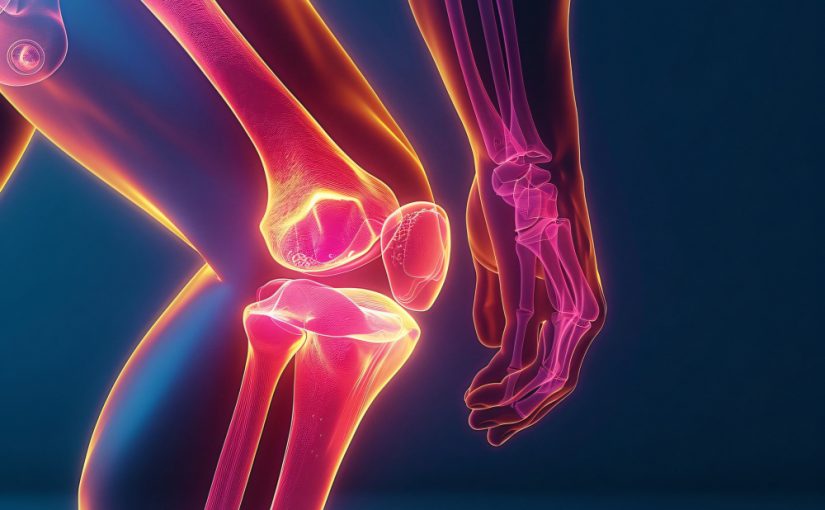
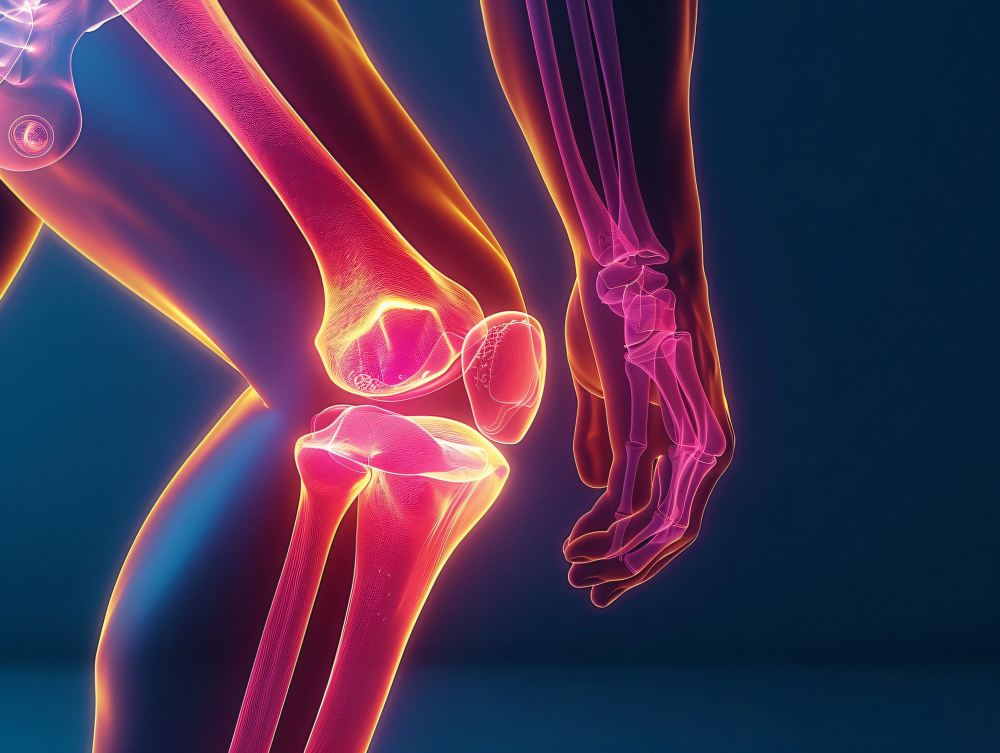
The knee is made up of three main compartments: the medial compartment on the inner side, the lateral compartment on the outer side, and the patellofemoral compartment between the kneecap and thighbone.
Arthritis does not always affect all three compartments equally. In some patients, cartilage damage is restricted mainly to one compartment. In others, arthritis gradually affects multiple areas of the knee.
This difference is important because the extent of joint damage helps determine the type of replacement surgery required.
When Is the Entire Knee Replaced?
Total knee replacement is generally considered when arthritis or other joint damage has affected multiple areas of the knee and causes significant symptoms.
A surgeon may recommend total knee replacement when a patient has:
- Advanced arthritis affecting several compartments
- Persistent or severe knee pain
- Significant stiffness and reduced movement
- Difficulty walking or performing daily activities
- Knee deformity or poor alignment
- Limited improvement from non-surgical treatments
During total knee replacement, damaged joint surfaces are removed and replaced with artificial components designed to restore joint function and reduce pain.
When Can Partial Knee Replacement Be Enough?
Partial knee replacement, sometimes called half knee replacement, may be an option when damage is primarily limited to one compartment.
Because only the damaged area is treated, healthy portions of the knee can be preserved. However, partial replacement is suitable only for carefully selected patients.
A patient may be considered when:
- Arthritis is limited to one compartment
- The remaining cartilage is relatively healthy
- The knee ligaments are functioning properly
- There is no significant deformity
- Symptoms are mainly caused by localized joint damage
A detailed examination and appropriate imaging are necessary before making this decision.
What Are the Advantages of Partial Knee Replacement?
For suitable candidates, partial knee replacement can offer several potential advantages.
Preservation of Healthy Structures
More of the patient’s natural knee may be preserved because only the damaged compartment is treated.
More Natural Knee Movement
Some patients report that a partial replacement feels more natural because portions of their original knee remain intact.
Potentially Faster Early Recovery
Since less of the knee is replaced, some patients may experience a quicker early rehabilitation compared with total knee replacement.
Smaller Surgical Intervention
Partial replacement generally involves treating a smaller portion of the joint than total knee replacement.
However, these benefits do not mean partial replacement is the right choice for everyone.
Why Total Knee Replacement May Still Be Necessary
Trying to preserve part of the knee when arthritis has already spread extensively may not provide the desired outcome.
If multiple compartments are damaged, the surgeon may recommend total knee replacement to address the affected areas comprehensively. This can provide better pain relief and functional improvement for patients with widespread arthritis.
The objective should always be to choose the procedure that matches the patient’s actual condition rather than choosing the smallest possible surgery.
How Does a Surgeon Decide?
Several factors are evaluated before recommending partial or total knee replacement.
Location of Arthritis
X-rays and other imaging help determine where cartilage loss and joint damage are located.
Severity of Damage
The degree of cartilage loss, bone changes, and joint-space narrowing can influence the treatment recommendation.
Knee Stability
The condition of the knee’s ligaments is particularly important when considering partial replacement.
Alignment
Significant deformity or abnormal alignment may make partial replacement unsuitable.
Symptoms and Lifestyle
The surgeon also considers pain levels, mobility limitations, daily activities, and the patient’s expectations from treatment.
Does Age Decide the Type of Knee Replacement?
Age alone does not determine whether a patient needs partial or total knee replacement. Two people of the same age can have very different levels and patterns of joint damage.
Overall health, bone quality, activity level, knee stability, and arthritis severity are generally more relevant to choosing the appropriate treatment.
Can Knee Replacement Be Avoided?
Not every person with knee arthritis immediately needs surgery. Depending on the condition, treatment may initially include:
- Physiotherapy and strengthening exercises
- Weight management
- Activity modification
- Medications
- Injections when appropriate
- Assistive devices
When these approaches no longer provide adequate relief and knee damage significantly affects quality of life, surgery may be considered.
Why an Individual Assessment Matters
There is no single knee replacement procedure that is ideal for every patient. A thorough orthopedic evaluation helps determine whether the damage is localized or widespread and whether the ligaments and remaining joint structures are healthy enough for partial replacement.
Patients should discuss their symptoms, treatment goals, imaging findings, and available surgical options with an experienced orthopedic specialist before making a decision.
Final Thoughts
Replacing the entire knee is not always necessary. Patients with arthritis confined mainly to one compartment may be candidates for partial knee replacement, while those with extensive damage across multiple compartments may benefit from total knee replacement.
The right choice depends on the individual knee rather than a general rule. A detailed diagnosis and personalized treatment plan can help patients receive the procedure most appropriate for their condition.
For expert evaluation and personalized knee replacement guidance, Dr. Manu Sharma combines orthopedic expertise with modern treatment approaches to help patients understand their options and work toward better mobility and long-term joint function.
Frequently Asked Questions
1. Does everyone with knee arthritis need a total knee replacement?
No. Some patients have arthritis limited to one compartment and may be suitable for partial knee replacement. Others with widespread joint damage may require total replacement.
2. What is a partial or half knee replacement?
It is a procedure in which only the damaged compartment of the knee is replaced while suitable healthy portions of the joint are preserved.
3. How does a doctor decide between partial and total knee replacement?
The decision is based on the location and severity of arthritis, knee alignment, ligament stability, imaging results, symptoms, and overall patient health.
4. Is partial knee replacement less painful?
Some patients may experience less pain and a quicker early recovery after partial replacement, but individual experiences vary.
5. Can partial knee replacement later become total knee replacement?
In some patients, arthritis can progress in other parts of the knee. If significant symptoms develop later, conversion to total knee replacement may be considered.
6. Is age a deciding factor for knee replacement?
Age is considered, but it is not the sole deciding factor. The condition of the knee, overall health, activity level, and extent of arthritis are also important.
7. Can physiotherapy delay knee replacement?
In some patients, physiotherapy, strengthening, weight management, and other non-surgical treatments can help manage symptoms and delay surgery. The effectiveness depends on the severity of joint damage.
8. When should I consult a knee specialist?
Consider an orthopedic evaluation if persistent knee pain, stiffness, swelling, or reduced mobility is interfering with your daily activities or is not improving with conservative treatment.