







Living with chronic knee pain can make even simple activities like walking, climbing stairs, or getting out of a chair feel difficult. When medications, physiotherapy, and lifestyle changes no longer provide relief, knee replacement surgery may become the most effective option. If you are considering Robotic Knee Replacement in Gujarat, understanding the process and preparing for surgery can help you feel more confident and achieve a smoother recovery.
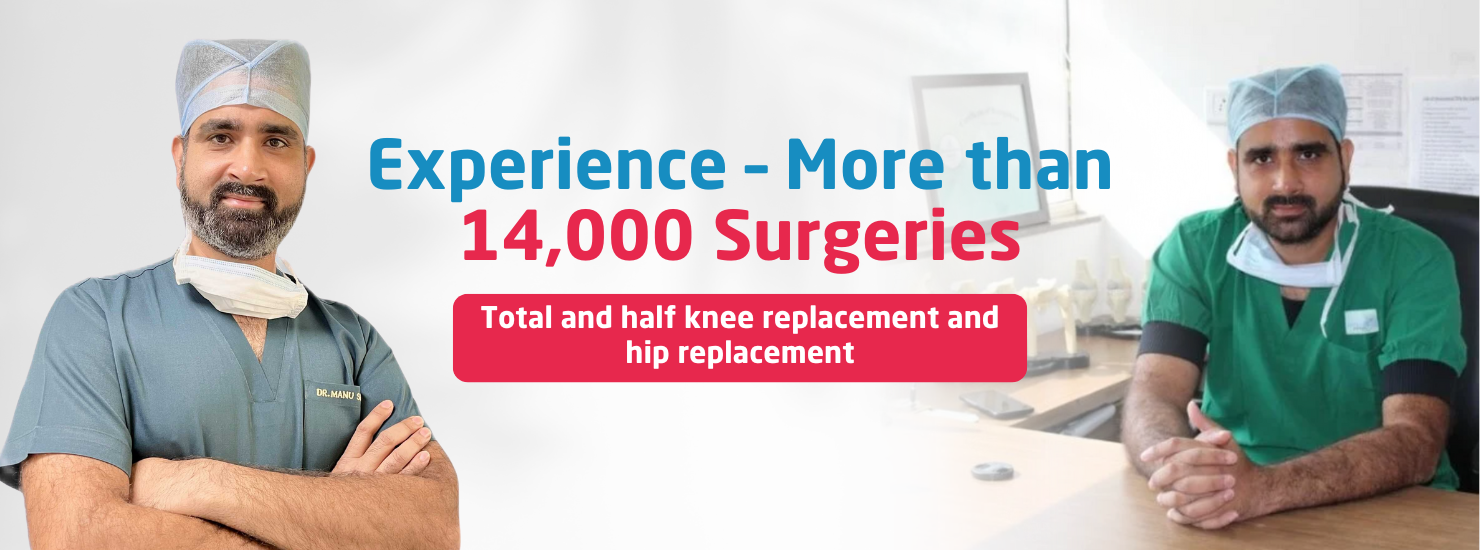
With the guidance of an experienced orthopedic specialist like Dr. Manu Sharma, patients receive personalized care from diagnosis through rehabilitation, ensuring they are well-informed at every stage of their treatment journey.
When Is Knee Replacement the Right Choice?
Knee replacement surgery is generally recommended when knee damage significantly affects your quality of life. You may be a suitable candidate if you experience:
- Persistent knee pain even while resting
- Difficulty walking or climbing stairs
- Stiffness that limits daily movement
- Swelling that does not improve with treatment
- Poor response to medications, injections, or physiotherapy
- Advanced osteoarthritis confirmed through imaging
Your orthopedic surgeon will evaluate your symptoms, medical history, and imaging reports before recommending surgery.
Understanding Your Surgical Options
Modern orthopedic care offers different types of knee replacement procedures depending on the extent of joint damage.
Total Knee Replacement
The entire damaged knee joint is replaced with artificial components designed to restore movement and reduce pain.
Partial (Half) Knee Replacement
Only the damaged portion of the knee is replaced while preserving healthy bone and ligaments. This option is suitable for selected patients with localized arthritis.
Robotic-Assisted Knee Replacement
Robotic-assisted surgery combines advanced imaging, personalized planning, and computer-guided precision to improve implant positioning and joint alignment.
Questions to Ask Before Surgery
Being informed helps you make confident decisions. Consider asking your surgeon:
- Why do I need knee replacement?
- Am I suitable for robotic-assisted surgery?
- What type of implant is recommended?
- What benefits and risks should I expect?
- How long will recovery take?
- When can I return to work and normal activities?
- What lifestyle changes will improve long-term results?
A clear discussion with your surgeon ensures realistic expectations and better preparation.
Medical Evaluation Before Surgery
Your surgeon may recommend several tests before the procedure, including:
- Blood investigations
- ECG and heart evaluation
- Chest X-ray if necessary
- Knee X-rays or CT scan
- General health assessment
- Review of current medications
These evaluations help ensure you are medically fit for surgery.
Preparing Your Body
Good physical preparation often leads to a smoother recovery.
Stay Active
Simple strengthening exercises for the thighs and legs can improve muscle support around the knee.
Maintain a Healthy Weight
Reducing excess weight decreases pressure on the knee joint and may improve surgical outcomes.
Manage Existing Medical Conditions
Conditions such as diabetes, hypertension, and heart disease should be well-controlled before surgery.
Quit Smoking
Smoking may delay wound healing and increase the risk of complications.
Eat a Balanced Diet
Protein, vitamins, calcium, and adequate hydration support healing after surgery.
Preparing Your Home
Making a few changes before surgery can make recovery safer and more comfortable.
- Remove loose rugs and electrical cords.
- Arrange frequently used items within easy reach.
- Install handrails if needed.
- Use a stable chair with armrests.
- Prepare a comfortable sleeping area.
- Keep emergency contact numbers nearby.
What Happens on the Day of Surgery?
On the day of surgery:
- You will complete final medical checks.
- The anesthesia team will explain the procedure.
- The surgical site will be prepared.
- The operation usually takes a few hours.
- You will be monitored closely after surgery before returning to your room.
Your medical team will guide you throughout the process.
Recovery After Knee Replacement
Recovery begins soon after surgery.
Early Walking
Many patients begin standing or walking with assistance within 24 hours.
Physiotherapy
Regular physiotherapy helps improve strength, flexibility, and knee movement.
Pain Management
Modern pain control techniques make rehabilitation more comfortable.
Follow-Up Visits
Routine follow-ups allow your surgeon to monitor healing and address any concerns.
Tips for a Successful Recovery
- Follow your physiotherapy schedule.
- Take medications exactly as prescribed.
- Keep your surgical wound clean.
- Eat nutritious meals.
- Stay active without overexertion.
- Attend every follow-up appointment.
- Report unusual swelling, fever, or severe pain immediately.
Why Experience Matters
Advanced technology alone does not guarantee successful outcomes. The expertise of the surgeon plays a vital role in planning, performing, and managing recovery after knee replacement.
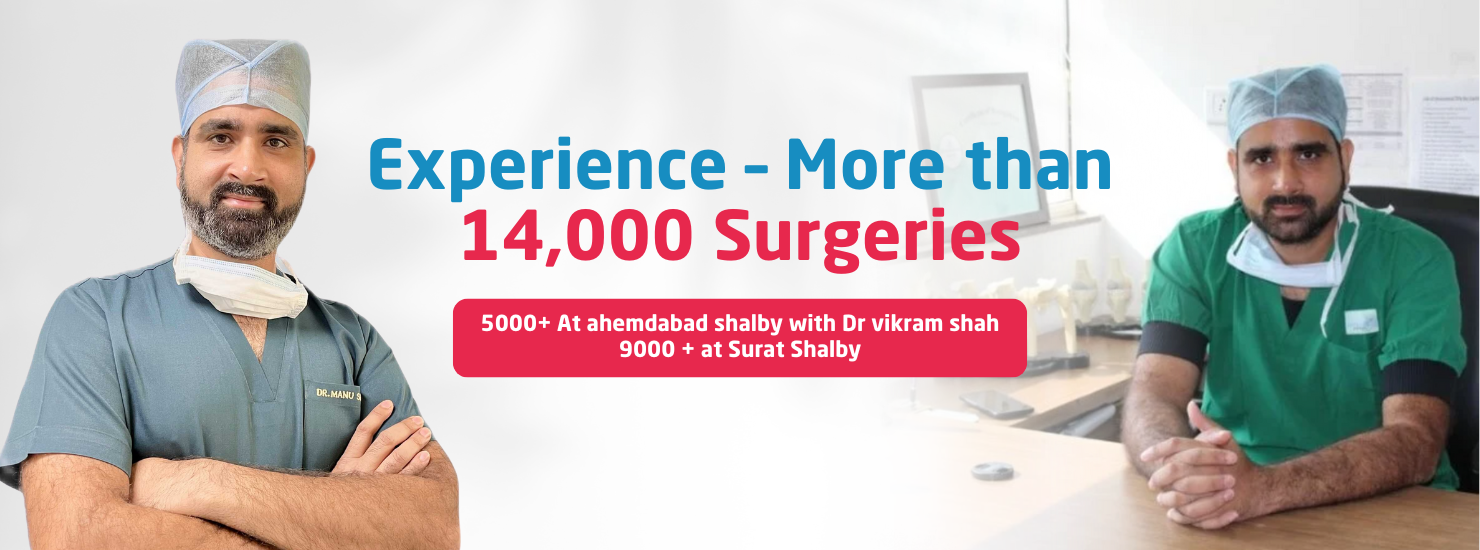
Dr. Manu Sharma combines years of orthopedic experience with advanced robotic-assisted techniques to provide personalized treatment plans focused on accuracy, patient safety, and long-term mobility. Every patient receives comprehensive care from the initial consultation through rehabilitation, helping them return to an active and pain-free lifestyle.
Final Thoughts
Preparing for knee replacement involves much more than scheduling surgery. Understanding your treatment options, improving your overall health, preparing your home, and choosing an experienced orthopedic surgeon all contribute to a successful outcome. Whether you are considering traditional or Robotic Knee Replacement in Gujarat, proper preparation can make your recovery smoother and help you regain confidence in your movement. Consulting Dr. Manu Sharma is the first step toward making an informed decision and achieving long-term relief from knee pain.
Frequently Asked Questions (FAQs)
1. How do I know if I need knee replacement surgery?
If knee pain limits your daily activities and conservative treatments no longer provide relief, an orthopedic evaluation can determine whether knee replacement is appropriate.
2. What are the benefits of robotic-assisted knee replacement?
Robotic-assisted surgery offers personalized surgical planning, improved implant alignment, greater precision, and may support a smoother recovery.
3. How long will I stay in the hospital?
Many patients stay for 2–4 days, depending on their overall health, recovery progress, and the surgeon’s recommendations.
4. How soon can I walk after surgery?
Most patients begin walking with support within 24 hours under the guidance of a physiotherapist.
5. How long does complete recovery take?
While many daily activities can resume within 6–12 weeks, full recovery and strength improvement may continue for several months.
6. Will I need physiotherapy after surgery?
Yes. Physiotherapy is an essential part of recovery, helping improve flexibility, strength, and walking ability.
7. Is robotic knee replacement suitable for every patient?
Not always. Your orthopedic surgeon will assess your knee condition, overall health, and imaging results to determine the most suitable procedure.
8. Why should I choose Dr. Manu Sharma for knee replacement surgery?
Dr. Manu Sharma provides patient-focused orthopedic care, combining clinical expertise with advanced robotic-assisted technology to deliver precise surgery and comprehensive recovery support.